28 May 2006

Cinque Terre, part 1


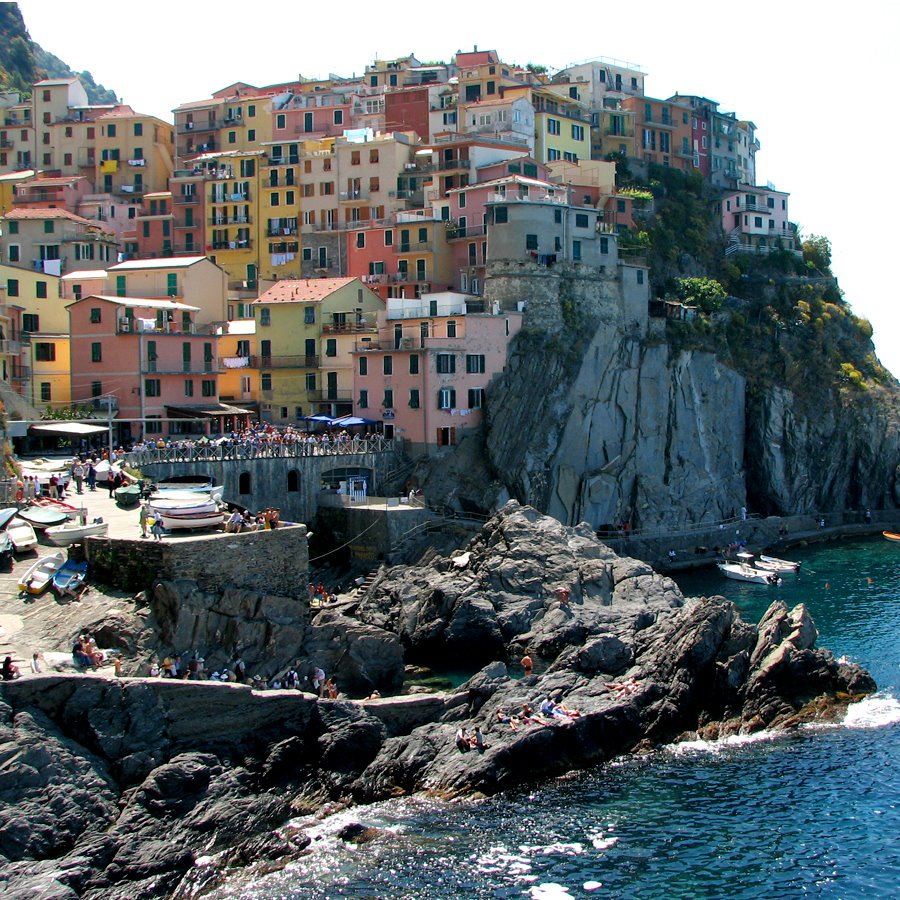
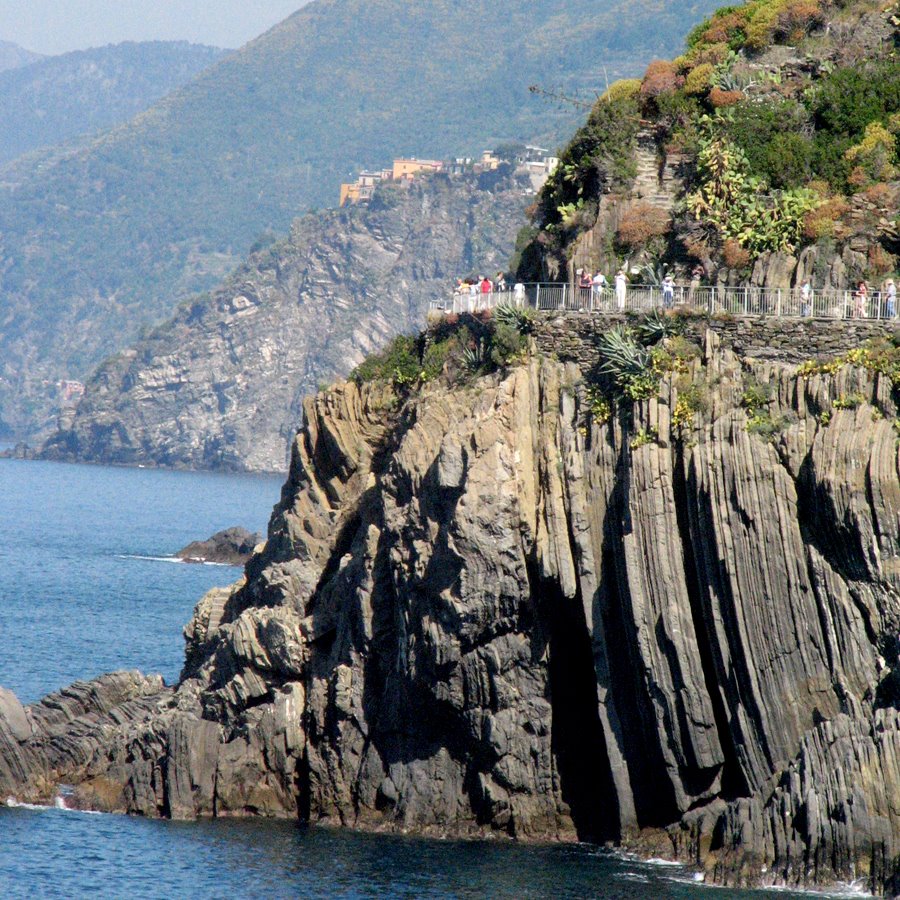
If you're a PBS-loving American, a reader of Rick Steves' ebullient travel guides, or a recent college graduate, we can safely assume you've acquired a pretty clear idea of Italy's Cinque Terre (Five Lands). For those not yet briefed, Cingue Terre is a far-flung national park on the Italian Riviera, which crests the Ligurian Sea. It's composed of five rainbow-colored coastal towns and connected by a stunning and sometimes challenging hiking path.

This area is best accessed by train and is slightly off the beaten bath - but not by much. Please do not imagine a secret lair or a mysterious journey. This place is no secret and it is filled with people speaking heaps of English; but there's a reason for the crowds. It's simply too beautiful to be kept a secret. And besides, Rick Steves couldn't keep a travel secret if he tried.

Our Cinque Terre experience began at the painful hour of 4:30am and included a 14 euro cab ride. Ouch! But we were at the train station by 5:45am and sitting on our 6:10am train well before it raced off into the Milano dawn. The 3 hour train ride is a bit of a blur, there seemed to be some beautiful views and also a large amount of napping by everyone on board.

When we arrived at out first stop we had to wait for one of the slower local "milk-run" trains that drop passengers at each of the five villages of the Cinque Terre. We'd heard that these trains are always at least 10 minutes late and ours did not disappoint. I have yet to figure out if the Italians find this casual attitude towards time & schedules to be normal, quaint, or aggravating. In the end, though, the train comes and you get on. Just forget about looking at your watch as a gauge of when it will arrive.


We rode the train to the farthest out of the towns, with the intention of walking back through the other four with the sun at our back. It was a good plan although the trails increased in difficulty as we moved forward. And by the end when we were scaling large stone steps in steep chunks, our legs were far from perky and alert. But we can happily report a sunburn-free experience. (Which is more than I can say for a great many other people who were out for the day. One of the more depressing and amusing games you can play on the trail is spot the sunburn -- a lot of hikers appear to forget to sun-proof their ankles and the tops of their feet, gaining a pair of pink sunburn socks for their troubles.)


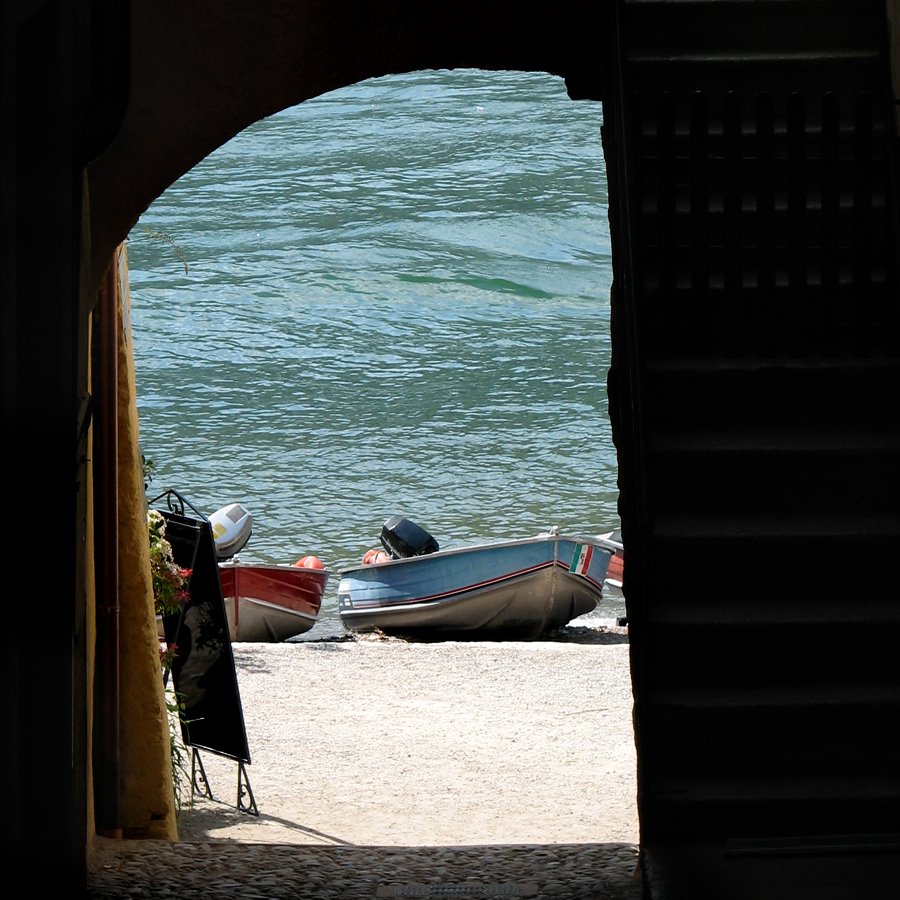
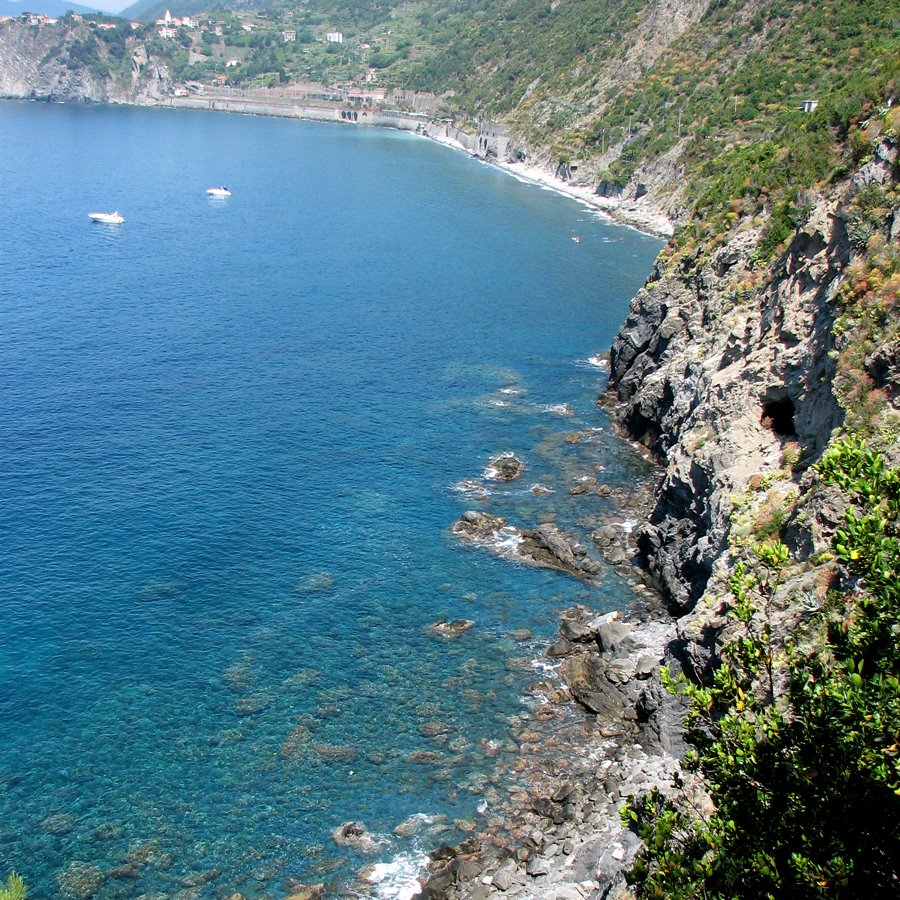
The first town we visited was the small and gentle Riomaggiore. We found a little café with great macchiati and brioche (one filled with chocolate, the other with apricot) and headed out with a heap of energy. Riomaggiore's harbor is home to fishermen fixing their boats under the morning sun and pastel homes tumbling along together. But the most colorful aspect of this area, and the feature we could not stop talking about over the entire distance of our hike, was the stunning color of the sea. Beyond blue and more like teal melting into aquamarine with a snap of turquoise - you could clearly see the rocks spattered along the seafloor and fish darting through the sunspots. Blue is nice but Ligurian is better.
16 May 2006

anchovies anyone?


Bologna is one hour and 45 minutes from Milan and if you're lucky you will maybe, magically, have a sense of the system by which Eurostar trains assign seats in second class. It is a fascinating work wherein numbers separated by vast quantities of other numbers are seated directly next to each other, while numbers in close proximity - such as 43 and 44 - are seated far enough away from each other so as to be unable to hold a conversation. Far be it for me to reinvent a long-standing seating system but next time I'd rather sit next to my husband and our friends rather than a generously-sized woman who was as equally interested in her mystery novel as my share of the armrest.

You may picture Bologna as a quaint town in which a thousand soft and wise grandmas stir pots of ragu and wrestle with fresh pasta, all the while guarding the secrets of Italy's finest food. You may also picture the city that houses the world's oldest university as a place haunted by academics with pithy conversations overflowing into the streets and a thousand things to learn before noon. Alas, it is neither. But you can find a pretty mean pair of knock-off sunglasses once night falls.


The food is wonderful. There is no denying that. We happened to find a wildly popular cafeteria at lunchtime in the back of an "antica salsamenteria" in the market area of Bologna. The self-service cafeteria, replete with trays and the rails on which to push them past myriad food choices, can be found in the back of Tamburini and goes by the name of VeloCibo -- fast food. The food is fast and it is also good. I was particularly impressed by the fennel, a vegetable which goes sadly unappreciated in the US but is embraced with passion in Bologna. Did I say passion? I mean cheese.

I think I may also have found my favorite church ever. Santa Maria della Vita has a corner next to the alter that houses, in shadow, the most impressive set of sculpture that I have ever seen in a church. There are 7 life-sized terracotta sculptures reacting to Christ's fallen body before them. Their faces are twisted into the depths of anguish, shockingly visceral and overcome with the force of human feeling.


If you drop 50 cents into a small box hanging from the wall opposite the Pieta you will be rewarded by previously hidden lights illuminating what was just seconds before a shadowy and dark scene. And it is indeed a reward, especially to those who have just spent 15 minutes trying to hold their cameras steady enough in the darkness to capture just a glimpse. I'll not mention any names.


Europe's oldest university is situated in Bologna and has been since the 11th century. Historically a source of Italian luminaries, its intellectual and historical importance can be felt in the weight of the walls and the dip worn into stone steps used by centuries of students.

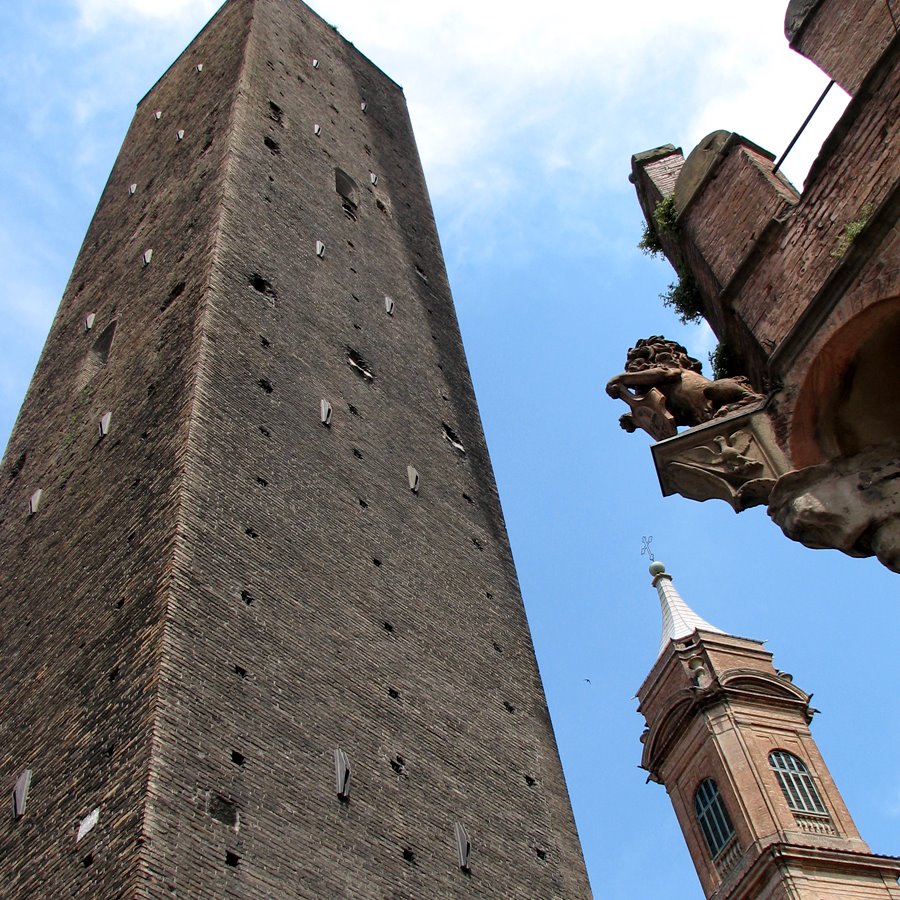
Bologna is peppered with towers that lean precariously off balance. Think leaning tower of Pisa but made of bricks. Same angle, different materials and in the middle of a functioning city. It's that sort of juxtaposition that allows Bologna a touch of medieval flair. There are also fountains crowned with nude gods and goddesses, with water eschewing from rather uncomfortable places. But rest assured, modern Italy is ever present; should you desire to make a purchase during the lunchtime hour, or on Sundays, you will be met with virtual impossibility.


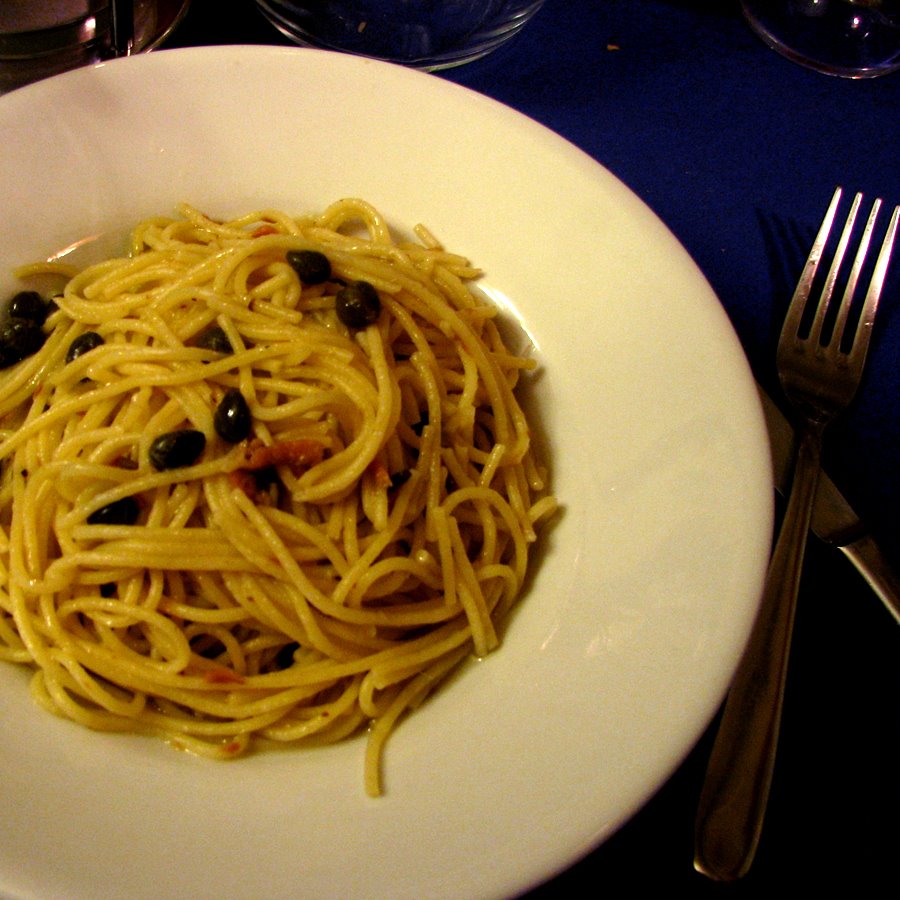
I will close by saying that if you are scared by the idea of a pasta dish starring anchovies and capers you should not be. You should embrace it and ask the woman who has made it to bring you more. You should take bites of the pasta and run into tiny shreds of anchovy and plump savory capers. You should dredge the spaghetti through the olive oil at the bottom of the plate and catch a few morsels from the sprinkling of parmesan that has randomly fallen across your plate. You should also drink some carbonated red wine with friends and visit each other's meals with your forks and share desserts and walk back to the hotel laughing. You should, most certainly, do this very thing.

10 May 2006

what a little milk can do


I'm a macchiato kind of gal. Most mornings, I like my small shot of coffee to have a puffy top-coat of foam. It's a nice contrast to the caramel nature of the espresso below, and also the perfect place to deposit a fine stream of sugar that sinks slowly through the foam and into the liquid below. A macchiato, I assert, is where it's at.

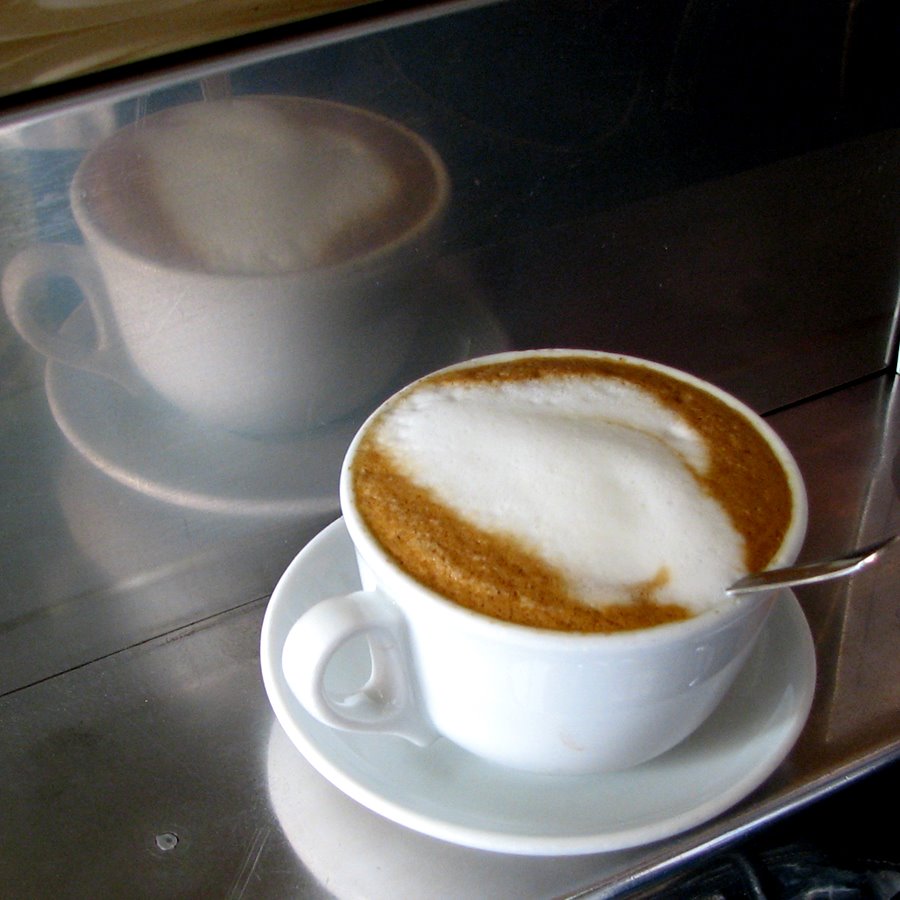
However, should you be in Rome and have a moment to indulge in a brief respite, I would head to this cafe. I would then order a cappucino. I most certainly would drink it while doing my best to hold in the ooh's and aah's.


The cappucino here is a sweet and perky coffee with much more spirit than any cappucino I'd had previously. It was not lazy with milk the way others have been, dragged down into blandness by the sheer abundance of it. This cappucino was alive and vibrant and exactly the kind of drink one imagines would exist in Rome.

It's a drink for watching people. And practicing your Italian. And pondering how it is that a place like Rome can exist; with it's history and mystery and perfectly-sweetened caffe.

08 May 2006

but don't forget the sides


We were in Rome for work on Friday and stayed to poke around the city on Saturday morning before our train. What a fabulous place, and so very different from Milan. Whereas in Milan you notice the tourists, in Rome it is the locals who are the strangers and thus stand out.

The city itself is a chaotic mix of ancient and alive, things that are so old you cannot move them and things moving in every direction at once. There are scooters in every conceivable space and people pointing cameras in every direction.


Except in the Pantheon. In the Pantheon you point the cameras up. You look up. In fact, everyone looks up and every camera is pointed in that direction. Because it is the perfect hole in the top of the dome, with it's ray of perfect light shining through, that is both amazing and unbelievable. And the reason we all walked through the grandiose entrance and the columns around it.


The Pantheon is quite old. It was entirely rebuilt in 125AD by Emperor Hadrian. RE-built. It originally was constructed between 27 - 25BC as a temple. That's BC as in Before Christ.

In 609 AD it was consecrated as a Christian site because apparently the Christians had a hard time passing the structure without a trail of demons tormenting them along the way.

Flash forward a thousand years+ and the building is one of the finest and most complete examples of Roman architecture in the city. The diameter is exactly equal to the height and the hole in the center of the dome is a full 9 meters across. There are no supports to be seen, all hidden within the walls themselves.


It is marvelous. The ray of light breaching the hole in the center of the dome, and striking the interior wall, is one of the most dignified and majestic combinations of nature and structure that I can imagine. And I, for one, couldn't help pointing my camera in that direction as well.

01 May 2006

so much better with water


The last Sunday of every month in Milan is cause for a sprawling antique market along the Grand Canal. It's a great opportunity to people watch and take in a healthy helping of second-hand smoke. And gelato. Always gelato.

The good thing about the canals this weekend is that they are filled with water again. We went to the market last month and there was a lack of water and as a result a lack of a certain amount of charm. The canals without water are muddy troughs that happen to pass under bridges, but the canals with water are honest to goodness canals. The stuff of postcards and photographs. And the perfect spine for a long line of merchants and their wares.


The market has a little bit of everything. Clothes. Jewelry. Furniture. Clocks. Lewd artwork. Mod chairs. And more. It's nice to stroll along taking in the tables covered with stuff, while also trying to keep an eye on the ground where the uneven stones and tram tracks could, possibly, be the source of a walking incident.


I'd imagine that with proper Italian skills there is bargaining to be done. And there are certainly clothes to try on. There are small dogs to keep from fighting one another. And naughty little items to turn away from quickly. It's one big happy canal-side shopping adventure.


Did we buy anything? Try on anything? No and no. But we also did not break anything and did not fall into the canal. It was a good day.

28 April 2006

"No, only a good life in Italy."


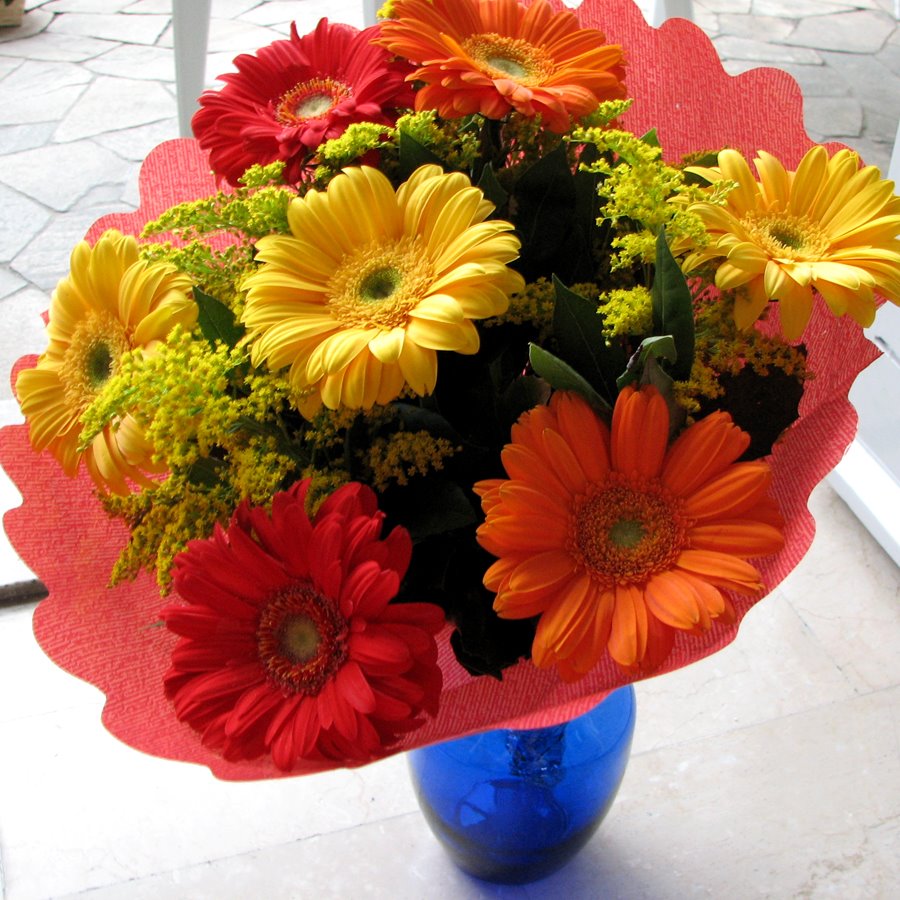
Such a perfect early evening in Milan - cool and on the cusp of rain. Stefano and I had planned to meet at the center of town and then head home from work together. We were coming from opposite directions down the same street and when Stefano came into sight, on the opposite side of the road, he had a bouquet in his hand. It was a burst of color on the street, bright as fireworks at midnight, and it was for me.

He handed me the bouquet and I sniffed the flowers. And sneezed. I remember because we were in front of the little vintage shop that I love and Stefano laughed at my sneezing. Then we kept walking until we got to our favorite gelato shop where, of course, we stopped in because that's just what you do in Italy.

In one hand I had a cone topped with a smudge each of chocolate orange and pistacchio. In the other I had a surprise bouquet. The woman who owns the gelato shop who had just handed me my cone looked over the bouquet and asked if today was my birthday. My answer?

"No, solamente una vita bella in Italia."

24 April 2006

what weekends are for


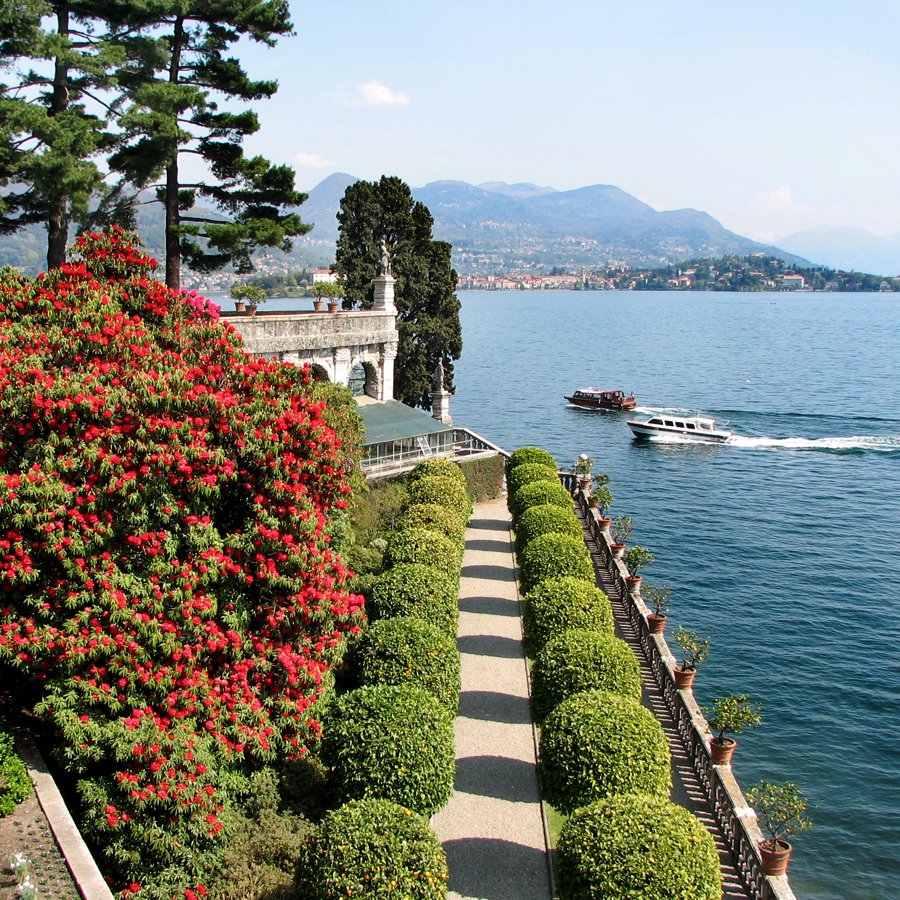
On Saturday morning after a reasonably comfortable one-hour train ride we found ourselves in Stresa, a town on Lago Maggiore. Lago Maggiore is a large lake to the west of Lago Como and one of its best features is the presence of several stunning islands.

The lake is framed by snow capped mountains and towns peppered with villas and stoic hotels. It's amazingly beautiful from the shore, looking out on the lake, and equally so when you're on the islands looking back at the shore. The entire area is one luxurious view after another, peppered with ice cream, pizza, and flowers. And don't forget the peacocks.

We were also fortunate in that the weather could not have been any more picture perfect. The sun was in the sky, the sky was blue, and the water danced and chopped as we rode the ferry from one island to another. And the air was fresh -- such a treat to take in great gulps of pure air. We definitely were away from the city.


Stresa is on the Golfo Borromeo of Lago Maggiore and facing it are three Islands of the Borromeo Family. This rich and powerful Italian family took control of the islands in the 16th century and turned them into private palaces and gardens. Today you can tour the villas and gardens and enjoy the miniature towns that have sprung up around them.

We began on Isola Bella and visited its Palazzo Borromeo. The palazzo was bright and dramatic with gigantic sweeping rooms that looked out on the lake and the mountains around it. It's a surreal and luxurious worldview ... gazing from the villa onto private gardens flooded with flowers and then onto the backdrop of both the lake waters and the mountains.


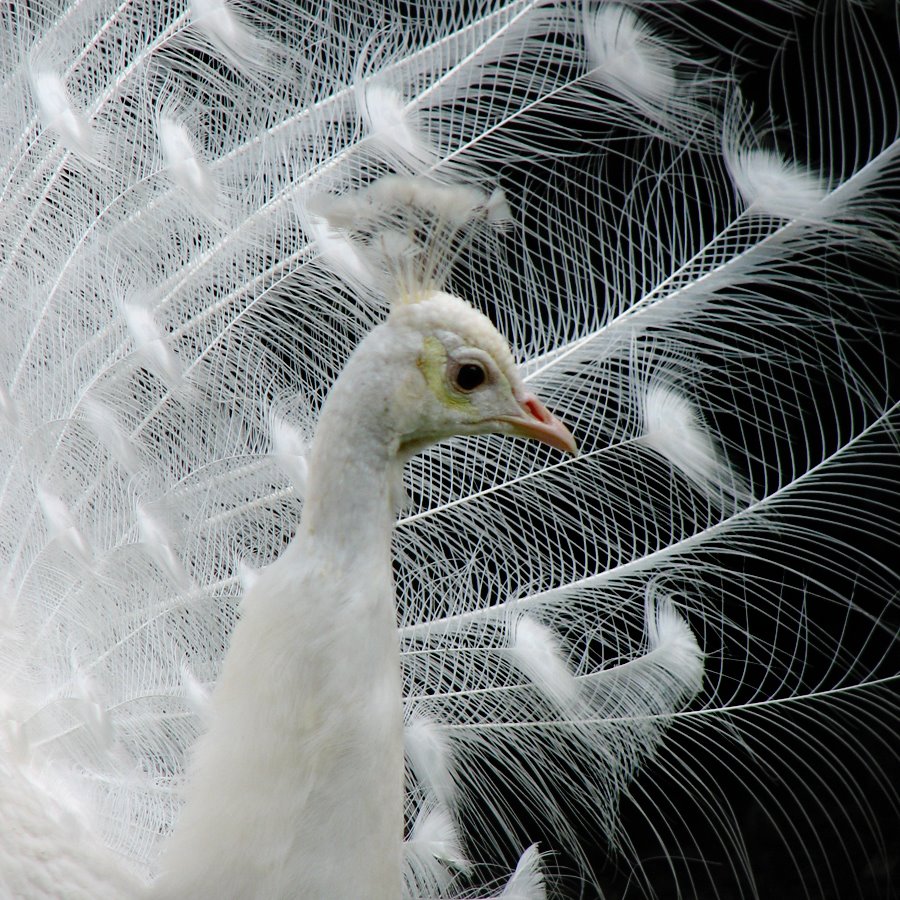
The gardens were very formal - terraced and grotto-ed with statues, ponds and peacocks punctuating every view. There were tropical trees, flowers of every variety, citrus trees heavy with lemons, oranges, grapefruits... And white peacocks strutting through every scene.


The second island was a shorter visit and a perfect lunch break. We landed on Isola dei Pescatori, Island of the Fishermen, and found a shady spot along the shore to eat gigantic slices of wood oven pizza. The pizza was good and the view was excellent.

We ended our day on Isola Madre. This island is comprised solely of the Borromeo family villa and garden. However, this villa was darker and more mysterious and the gardens less controlled and more free for exploration than those on Isola Bella. Throughout the villa hung heavy oil portraits of family ancestors and there were several rooms devoted to marionettes, with one hosting a downright creepy marionette theater that actually figured in Stefano's dreams the night after.


The garden was peppered with different personalities ... mossy shady areas, sunny plains, drooping trees with soft lazy arms sweeping the lawn. There were lanes of flower trees and peacocks chasing each other among the flora. And if you sit still long enough a few peacocks may sneak up behind you and get close enough to send you scurrying. This island is the less restrained cousin of Isola Bella and the perfect place to watch petals drift from trees and the French ignore the rules.

Whatever people may tell you of Como, do not forget Maggiore. It is beautiful, relaxing, and a reminder of what our eyes should see more of in this busy life: flowers, lakes, the ones we love, and mountains crawling into the sky behind them.

20 April 2006

fiori for all


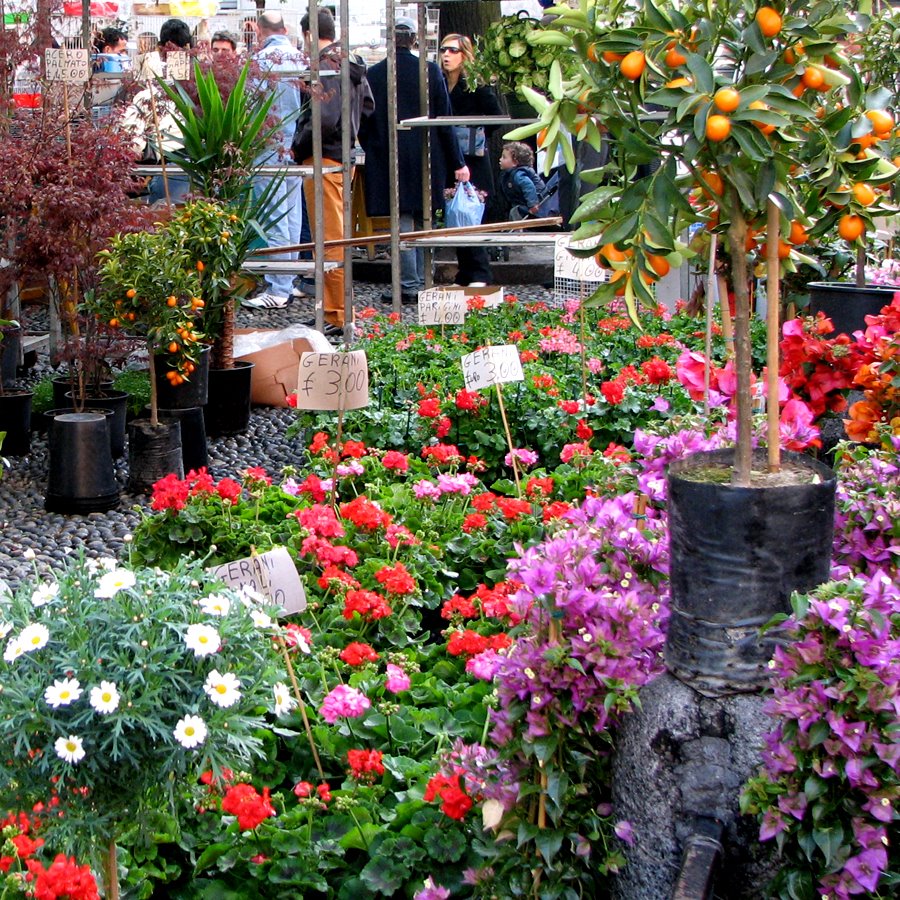
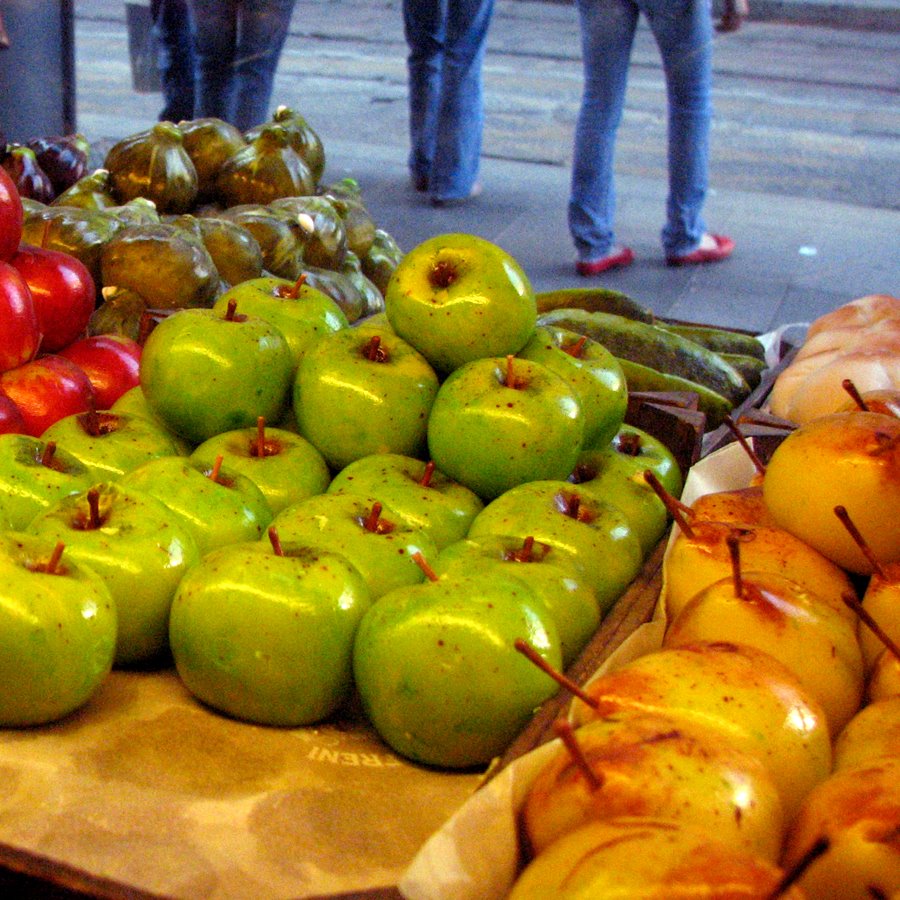
Monday was a holiday in Italy and most shops were closed. And while it rained most of the morning into early afternoon we noticed an unusually large number of people roaming the streets with plants and flowers. We traced the vegetation to a nearby piazza that was filled with vendors of flowers, plants, small trees & animals.


The piazza was full of color and sound as people explored what there was on offer among the puddles. Kudos to the stiletto-wearing women who managed to navigate the cobblestones and also the puddles. Though I imagine that shopping for plants on cobblestones is nothing compared to riding a bicycle in the same shoes and a skirt. It's all relative I suppose.

The plants on offer were gorgeous and varied. The most interesting for me were the lemon trees -- who would think that lemon trees are available as home accessories? With real lemons! We came home with a few plants for the balcony and will do our best to keep them alive. We made sure to ask the vendors whether the different plants preferred sun or shade... and I think we understood the answers. I am confident, though, that we will still be able to do harm to the plants regardless of our best intentions.


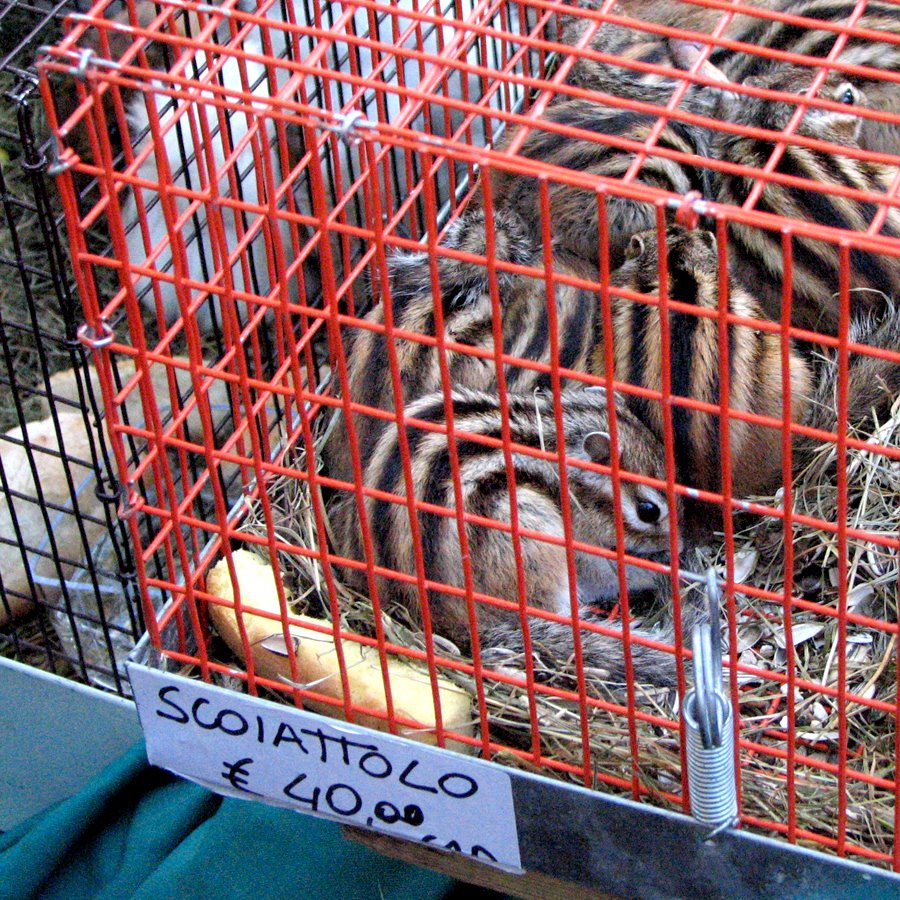
There were also quite a few small pets available for impulse buying. Gorgeous birds, some sulking turtles, hamsters, guinea pigs and the like. The most unique option was a pile of chipmunks that seemed better suited for the forest than a small Italian apartment. Maybe it's every Italian chipmunks dream to spend lazy days lounging in a cage no longer stressed out about gathering whatever it is they eat... but I doubt it.

16 April 2006

putting the -ina in cassata


Whenever Stefano and I are shopping around the Duomo - or just tooling past on our way to the Camper store - we stop in at a cramped café with Sicilian specialties. They have piles of amazing sweets and pastries, one sweeter than the next, and a single tall table to perch at once you've decided.

The sweetest sweet - and the one we order regularly - is the cassatina. A cassatina is a pretty little bite of a cake compared to its full-sized mother, the cassata. (In Italian adding "ina" to the end of a word creates a diminutive; thus a small cassata is a cassatina.) We've found the smaller-sized version to be perfect for sharing and a wonderful accessory to a strong Italian coffee.


These cakes are originally from Sicily which is known for over-the-top sweets and splurge-worthy edibles. From what I can tell by taste and internet research the cassata is made from sweetened ricotta cheese, sugar, candied fruit, tiny chocolate chunks, green almond paste, cake and Maraschino liqueur.


The inside has the texture of slowly melting frosting and is surrounded by a very light wall of cake. It tastes of maraschino cherries and vanilla and occasionally you run into a chocolate bump. The outside is a ring of marzipan almond paste that manages to lasso the whole concoction together. The large cakes are decorated with candied fruit and peel and the smaller variety are given a single maraschino cherry.

I have to admit that my original reason for ordering a cassatina was the fact that it was green. I appreciate the idea of a green cake especially one that is packed with enough sugar to give a tired shopper the jolt they need.

I'm trying to think of green colored pastries found in the states and all that comes to mind are those corn flake wreaths at Christmas. Oh and scary jello abominations from decades past where broccoli and carrots hover in a quivering mass of clear gelatin -- or worse, orange.

Score one for Italy.

ghost town


Milan has quickly become a ghost town. It's Easter weekend and families have left the city to congregate in other places. All that Milan has left are the tourists, Stefano & I, and the giant eggs that have been strewn high above the streets. There's a smidge of joy that comes from living in a city that strings easter egg garland from one building to another.

They went up a couple of weeks ago and are, dare I say, cute. I also appreciate the contrast between the high-minded design coming out of the galleries and the very simple egg shapes hanging above them. Sometimes all you need is an oval to make a lot of people smile.


Those of us left to celebrate in Milan have taken comfort in the presence of traditional Italian easter treats. Sure, there are large edible bunnies to be purchased. And mounds of marzipan fruit.


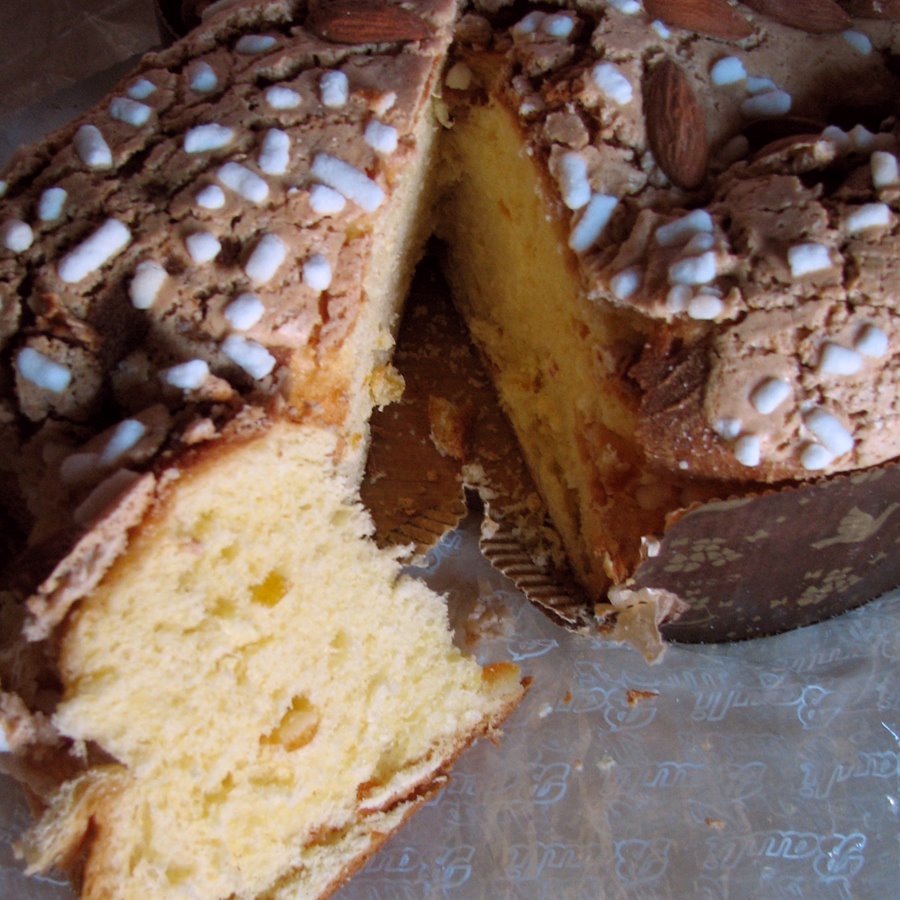
But there is also the Colomba, a tall bread/cake shaped like a dove. It is egg-y and sweet, and studded with candied orange. There is also a hint of almond in the crunchy top layer and in the almonds that congregate there. The white pellets (for lack of a more eating-friendly term) are crunchy little sugar tubes. You can find them on top of croissants and other baked goods as well.

The Colomba is not a healthy cake; not even remotely. But it is delicious and soft and certainly a holiday tradition -- we're going to stick with that as the reason why we've eaten almost an entire colomba in less than two days.


This colomba was a gift from our portanaio. In Italy, a portanaio is the person who takes care of your apartment building. He is both the keeper of the building and your neighbor and in both of these capacities our portanaio is excellent. Originally from Sri Lanka, he lives downstairs with his wife and daughter. I should add that their apartment has some of the best dinner smells wafting out of it in all of the building.

I think our portanaio gave us this colomba because when we were having a conversation out by the small lemon tree behind our building I told him that I really like cake. (It made sense at the time.)

So the next time we saw him, he and his wife handed us this colomba. And it is good. Very good. Good in a breakfast way... good in a lunch way... and well, you can guess how it fits in after dinner.


I fear this colomba won't last the night.

11 April 2006

design city


Italy is many things to many people but I think we can safely make a few sweeping generalizations. Roma is the epicenter of history. Firenze, the locus of art. And Milano... Milano is most certainly the anchor of modern design.

High-end design today might mean a $68,000 dining room table with a soft sheet of rubber along its top that soaks up the light in the room. Or a marble tub undulating like a wave, perfectly mirroring the reclining body within it. We don't happen to be in the market for such things but this weekend Milan's most chic and terribly haught design studios were open to anyone and everyone who wandered by.


As I have mentioned before, Milan is architecturally very much about hidden secrets. There are doors fit for giants behind which hide incredible gardens and cobble stones but these doors are closed more often than not and it is rare to be welcomed into such private coves. But with the opening of the galleries and shops it was an invitation into secret lairs.

The galleries were open in conjunction with a very prominent and important design conference being held on the outskirts of Milan. There was a guidebook available that detailed participating locations and freestanding banners in front of each to indicate you were welcome inside. It was wonderful and we went into as many as we could find. Often we were rewarded with cocktails and something petite and glam to eat. And the far greater reward was the access to the back gardens and showrooms that normally we would not frequent.

Sipping prosecco in the courtyard behind a linens gallery, noticing the peeling paint and ivy on the small cottages edging the space, and shifting from one cobble stone to the next... not bad for a night's find.


Another favorite was "Established & Sons," a very smart English firm that is making waves in the design world. Their showroom is in a cavernous space that was previously a jai-alai court. Where once people played a rather unique sport there reside now some unquestionably unique pieces of furniture. Behind the furniture and accessories, along the entire back wall, were perfectly chosen quotes that made you feel smart and charming because you recognized their wit; and the complementary beer didn't hurt either.


In the foreground of the above photo are desks. Yes, desks. Look at these beautes. While I would not look forward to spending 8+ hours a day headquartered at one of these, I will say they look darn fresh. Maybe you've seen a desk like this before? Or been to a jai-alai court in the center of Milan that you would never in a million years have guessed existed based on what you could see from the outside? Kudos to you if you have because I was happily suprised by both.


But the real award for "embracing the opportunity presented" goes to the young art school hipsters who took to the opening of these galleries in swarms. They drank the free beer. They sat on the furniture. And they reminded me of the people who break the rules and create the designs that make nights like this possible.

03 April 2006

egypt in italy


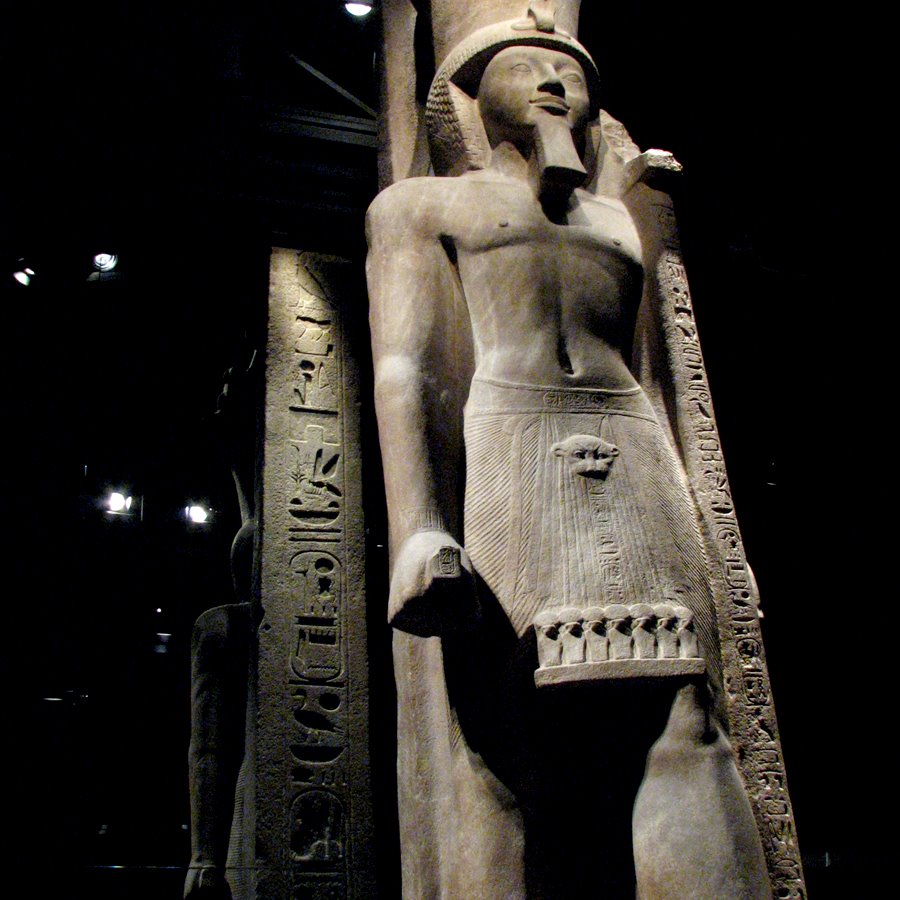
Rainy days are meant for museums and so we found our way to the depths of the Museo Egizio -- the Egyptian Museum of Turin. This museum is said to be second only to Cairo in its collection of Egyptian artifacts and covers 5,000 years of history. It is an absolutely overwhelming collection if a little underwhelming at times in its presentation. When it comes down to it, I suppose when you've got something 5,000 years old sitting in front of you it's pretty mind-blowing no matter what sort of signage is (or is not) there to explain it.


As a result I have come away with an appreciation for the pieces within the museum if not a thorough understanding of what they all mean. I will say that when we walked into the first gallery of statuary both Stefano and I were shocked by the depth of the collection. There are so many pieces and they are in such good condition it really is difficult to believe that they are as old as they are. In one of the first rooms of the musuem one of the signs explained that items in Egypt were remarkably well-preserved because of the dry condition of the territory.

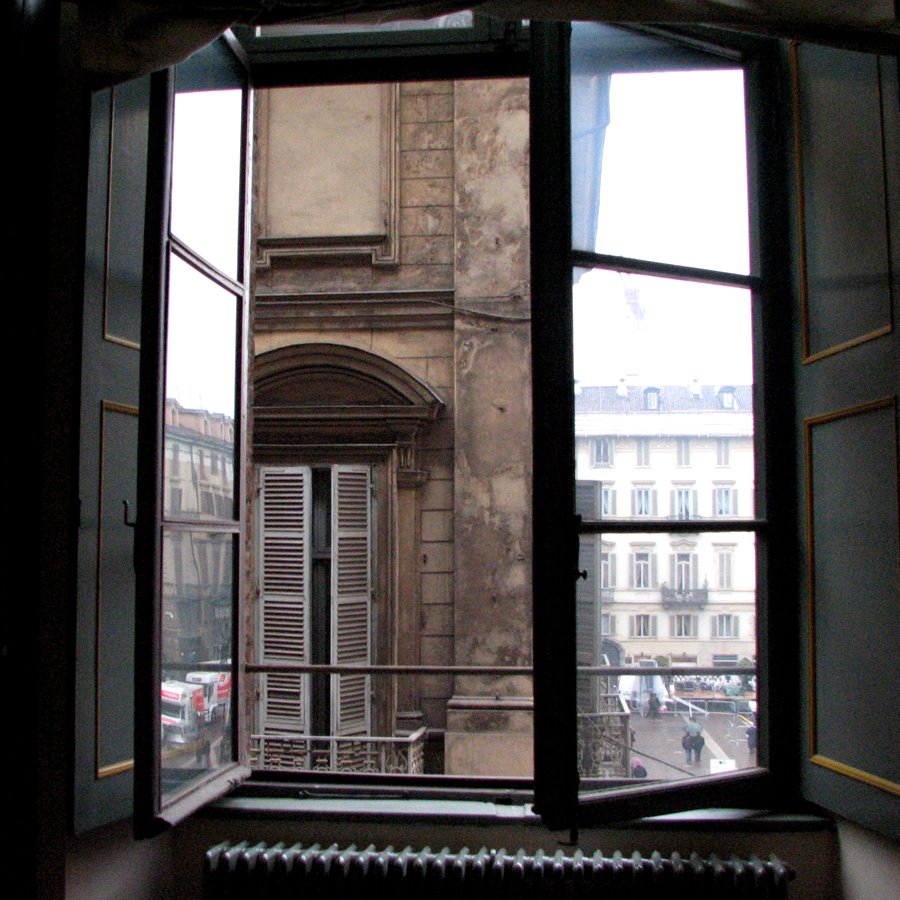
(Note photo of open window on rainy day in statuary gallery. Maybe by "dry" they really mean "not under the ocean and so a little direct moisture now and again won't hurt anything." Ever been to a relics museum with an open window before? Nope, me neither.)


Neither of us had never seen hieroglyphics as crisp and sharp as those in the museum-- nor painted elements whose tint was as vibrant. There are also mummies, intact tombs and funerary articles that are in astonishingly pristene condition. Photos from the actual excavations give you a sense of how one goes about "finding" the tomb of a pharaoh in the middle of the Egyptian desert and exactly what it looks like when you find it. While still a mystery to me, at least I have a small mental picture of where these pieces lay in wait for so many thousands of years.


There were, however, two things at the museum of which I was not a fan. Left hands. And right hands. People were touching everything. Literally laying both hands on these pieces of history and dragging their fingers along the hieroglyphics. And not just kids. Full-age adults were actually setting their cameras on tombs so that they could take steady photos without using a flash.


There were no security guards to be found. Let me just say that in the States I was once reprimanded for blowing in the direction of a contemporary art piece that was obviously made to respond to wind currents. And this was contemporary art made in current times by a questionably talented artist. Not the keys to Ancient Egypt in the second most important Egyptian museum in the world. The only time I saw a parent remove her child's grubby hands from a statue was after I took a photo of him touching it.

What was I saying about Italy being a place totally it's own...

02 April 2006

not just the cioccolato

After gallavanting through the chocolate fest (see previous post) we were left to enjoy the rest of Torino on a gentle yet persistent cocoa high.

One of Stefano's must see destinations was the Santuario della Consolata. Designed in 1678 it's a church set on the Piazza Consolata. The interior overflows with aesthetic accessories in marble and gold but it still manages to be intimate and quiet. One of the more intriguing elements of the church is near the entrance to the Sacresty. There are two areas whose walls are covered, literally, by framed sketchings and drawings of incidents in which people were saved from harm by holy intervention.


The scenes are refreshingly amateur, many watercolor or seemingly crayon, and depict the moment in which the subject was not killed by the streetcar, having fallen off of his bike just inches away. Or the small child dropped from a balcony who miraculously survived. There are soldiers coming home from war, received by a family with open arms and hospital patients surrounded by doctors after a successful operation. In every frame is a unique story and the frames reach high to the celestial ceiling. The one element the pieces have in common is a "G.R." in the bottom corner -- "Grazia Ricevuto" or "Grace Received."


Across the Piazza Consolata is the Al Bicerin cafe. This small cafe opened in 1763 and is famous for one thing - the "Bicerin," a hot drink made with espresso, cream and chocolate. It is most definitely not hot chocolate. To call it hot chocolate would be a disservice. This drink is more akin to a melted brownie with a layer of cream hovering on top. It is rich and decadent and guilt-inducing. And perfect for a rainy afternoon - which is what ours became as we crossed the Piazza.


We sat at a small table in the corner, with a serpentine flame swaying between us, and shared the glass. The cream sat on the top waiting for us to mix it in - and when we did spoon it into the chocolate below it gently gave way, folding into the heavy mixture.

There is something to be said for raindrops on the piazza and a corner in a warm cafe. And truly, for Italy in general. This place is magical and delicious and energizing. It is different and random and frustrating. It is not the United States. It is not what you see in old movies. It is the Italy that forms after a month of moments, after sidewalk scenarios and park bench vignettes. And every day we have, every drink we share, is a chance to stop and feel lucky.


And we do.